 EN

Custom Printed Power Mesh Fabric: Questions to Ask a Supplier
For an apparel buyer, sourcing printed power mesh fabric is less about finding an attractive pattern and more about confirming whether the fabric will behave predictably in the finished garment. Power mesh may be used for sheer panels, fitted overlays, lining layers, dancewear, shaping details, or fashion accents. Each use puts different demands on stretch, recovery, opacity, print appearance, and production consistency.
Before approving a swatch or sending artwork, turn the conversation into a documented specification. The questions below help wholesale buyers compare offers on evidence rather than descriptions alone.
1. What exactly is the base construction?
Start with the fabric itself, before discussing the print. Ask for the fiber composition, knit construction, finished weight, usable width, and whether the supplier identifies a face and back. A label such as “mesh” covers many constructions; two visually similar fabrics can drape, stretch, and show color very differently.
- What are the fiber percentages, and is elastane/spandex included?
- What is the finished GSM and usable cut width for production lots?
- Is the mesh intended to be sheer, semi-sheer, or used as a support layer?
- Can you provide a current specification sheet and a physical cutting?
For reference, Huace Textile’s Dots Design Polyester Spandex Printed Mesh is a useful example of how a product name can identify a material family without replacing a complete specification. Confirm the actual values for the production order rather than assuming that a name, photograph, or sample represents every batch.
2. How much stretch and recovery does the fabric deliver?
“Stretch mesh” is not a sufficient answer for a fitted garment. Ask the supplier to state stretch separately in the widthwise and lengthwise directions, then explain how recovery is checked after extension. Recovery matters when the fabric will sit at elbows, shoulders, waistbands, bodices, or other areas that cycle through movement.
Ask for the test method, sample size, conditioning conditions, and tolerance they use. If the end use needs four-way movement, make that a requirement in the inquiry rather than inferring it from the presence of spandex. A simple practical check is to compare an unstretched reference length with the length after a defined stretch-and-rest cycle, but your approval standard should be agreed with the supplier in writing.
3. Which printing method suits the artwork and the base fabric?
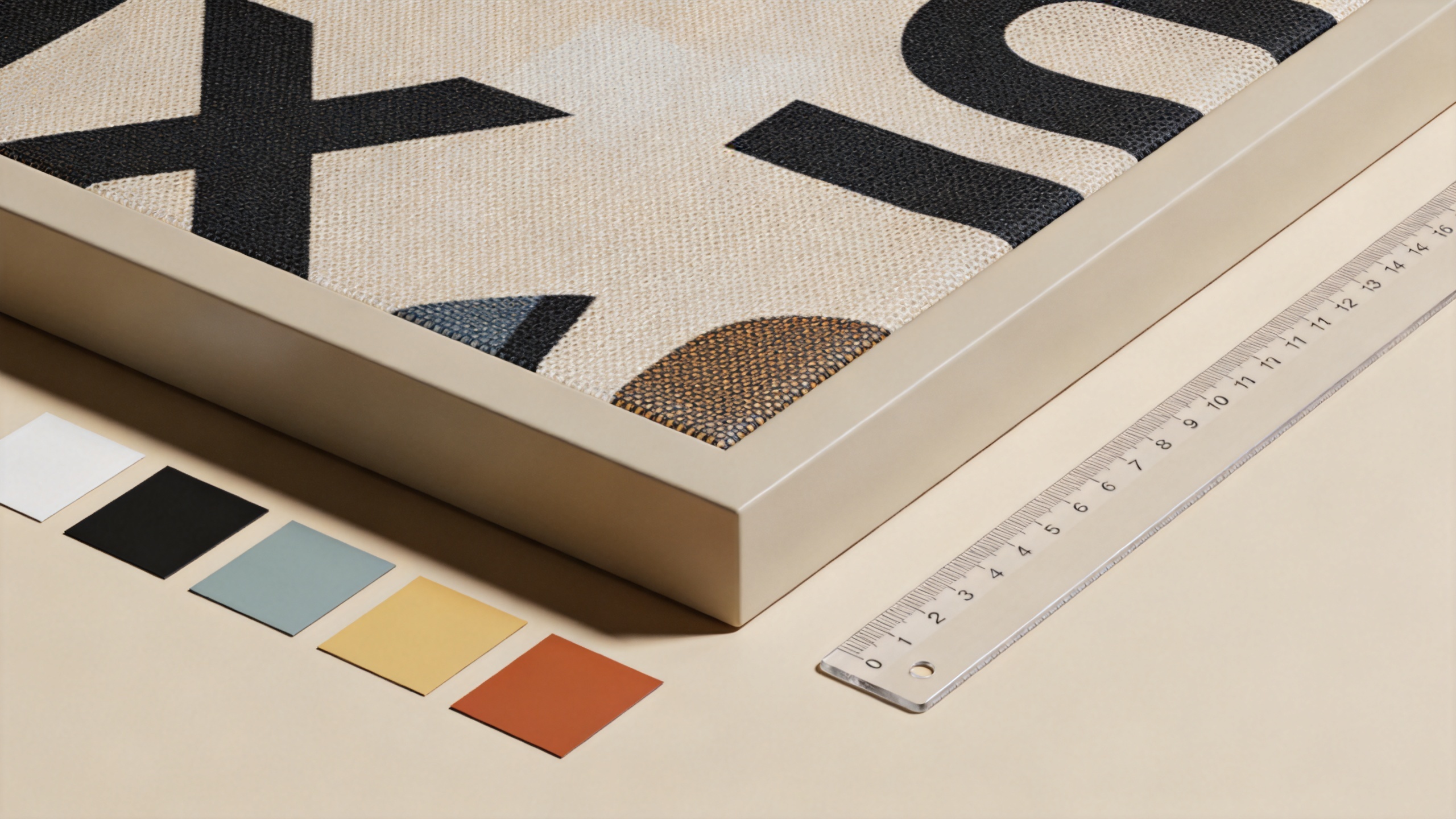
A custom print must work with open mesh spaces and with fabric extension. Ask which method the supplier recommends for your artwork, why it is suitable for this construction, and what limitations apply to fine lines, gradients, white ink, metallic effects, or high-contrast designs. For an animal print mesh fabric concept, request a strike-off that includes the darkest areas, the lightest areas, and a repeat join; these are the places where visual variation is easiest to miss on screen.
- Will the artwork be scaled before printing, and how is repeat placement controlled?
- How does the print look when the fabric is stretched in both directions?
- What color reference, such as a Pantone target or approved lab dip, will govern production?
- Is the print applied before or after other finishing steps that could affect hand feel?
4. What proof supports color and print durability?
Do not ask only whether a print is “colorfast.” Ask which performance properties are relevant to your use and request the corresponding test report or agreed acceptance criteria. Depending on the garment and destination market, this can include washing, rubbing, perspiration, light exposure, or heat-transfer-related checks. The right requirement is determined by the garment’s care label, color depth, intended exposure, and applicable buyer standard.
Also clarify whether the supplier will test the exact printed construction or is quoting data from a similar base. A report from a different fiber blend, colorway, or finishing route may be useful background, but it is not the same as lot-specific verification.
5. How will lot consistency and quality control be managed?
Custom work introduces variables beyond the base mesh. Request the supplier’s tolerance for width, weight, shade, repeat alignment, and print placement. Ask how they identify rolls, separate lots, inspect defects, and manage an approved standard across reorders. This is especially important if one garment program will be cut across multiple rolls or if replenishment is expected later.
| Question to include in the RFQ | Why it matters |
|---|---|
| What are the agreed tolerances for width, GSM, shade, and repeat? | Lets the buyer assess whether variation is acceptable for the garment pattern. |
| What inspection point applies, and what defect types are checked? | Turns “quality checked” into a reviewable process. |
| Can rolls be labeled by lot and production date? | Supports traceability when shade or print issues need investigation. |
| What sample is approved before bulk production? | Creates a shared visual and technical reference. |
6. What sampling, minimums, and lead times should be agreed first?
Ask for the sequence: artwork review, lab dip or strike-off, sample approval, bulk production, inspection, and shipment. Confirm the minimum order quantity by design and colorway, the expected yield or print repeat constraints, and the lead time that begins only after all approvals are complete. If you need several colorways, ask whether each requires a separate setup or approval.
A useful supplier discussion ends with a clear approval pack: artwork file requirements, a base-fabric specification, an approved strike-off, tolerances, test expectations, packing method, and a written timeline. That pack gives both sides a practical basis for managing a custom printed power mesh program.
7. How should the buyer specify printed power mesh fabric in an RFQ?
Use the phrase printed power mesh fabric in the RFQ title, then define the functional need in measurable terms. State whether the printed power mesh fabric will be cut as a sheer overlay, a fitted sleeve, a lining panel, or an elastic support detail. This helps a supplier judge whether the requested printed power mesh fabric construction needs softness, directional control, higher recovery, or a particular level of coverage.
For a custom design, specify how the printed power mesh fabric will be cut relative to the artwork repeat. A pattern that looks balanced on a flat strike-off can shift at seams or stretch zones. Request a garment-panel simulation or a cut-piece sample when the design has borders, engineered placement, or a large motif. This is particularly useful for animal print mesh fabric, where scale and repeat alignment can affect the visual result.
8. What should happen before bulk approval?
Bulk approval should connect the signed-off sample to the exact printed power mesh fabric order. Ask the supplier to identify the approved base, print file version, color reference, finishing route, and lot-control method on the approval record. If a substitution becomes necessary, require written notice and a revised sample before cutting. This safeguards the decision process without assuming that every printed power mesh fabric batch will perform identically.
It is also sensible to agree on the first-roll inspection. Check the printed power mesh fabric under the lighting used for garment review, inspect the print while relaxed and stretched, and compare the repeat against the approved strike-off. Photograph any agreed reference points so the production conversation stays specific.
A buyer-ready supplier checklist
When requesting a quote for printed power mesh fabric, send the end use, target composition, weight and width preferences, stretch direction, artwork format, color standard, quantity by colorway, required tests, and delivery destination. Then ask the supplier to flag any assumption they cannot verify. This approach helps distinguish a visually appealing sample from a printed power mesh fabric construction that is suitable for repeatable garment production.