 EN
EN
What Is Power Mesh Fabric and Where Is It Used?
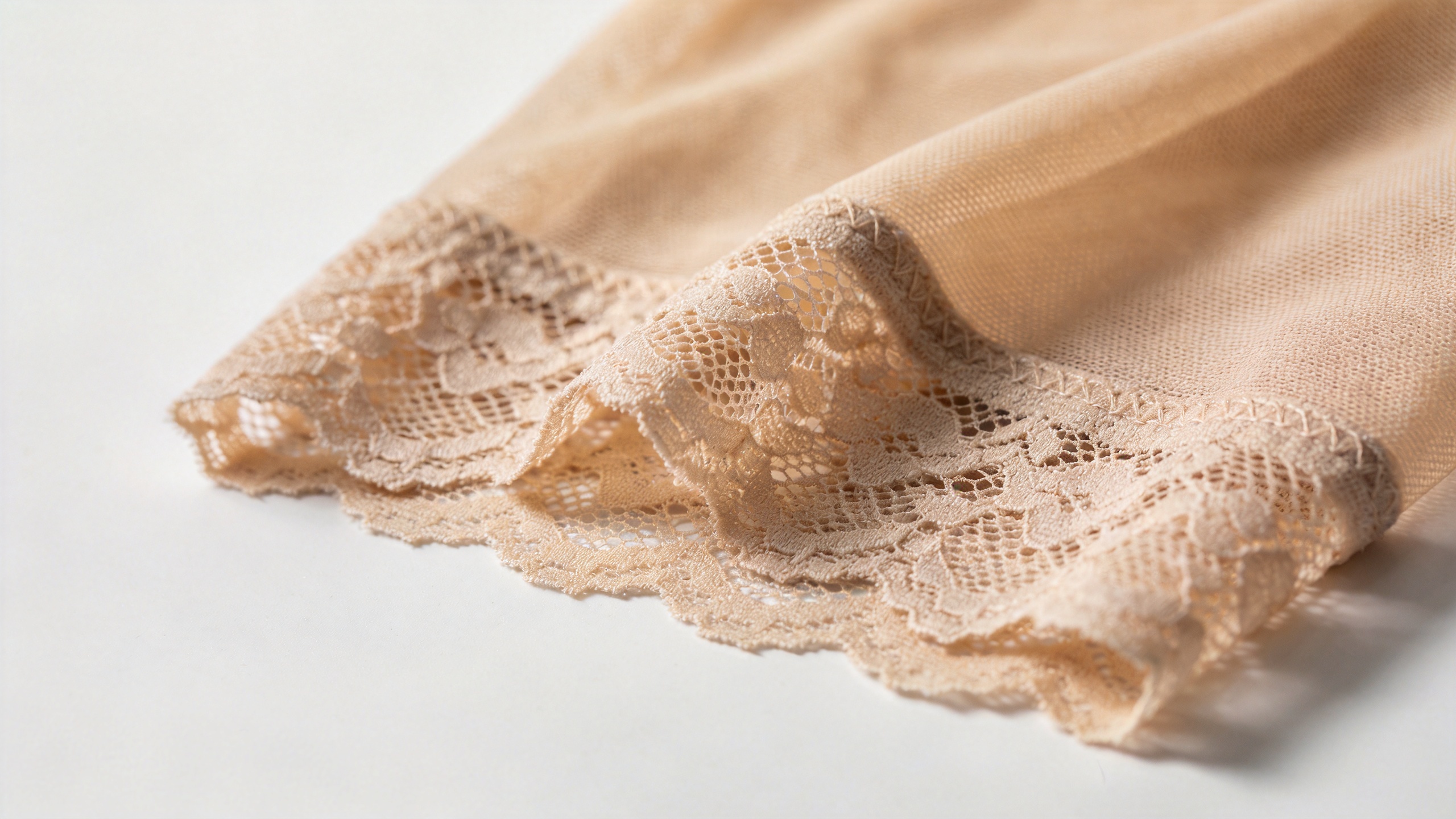
Power mesh fabric is a lightweight, open-knit stretch textile designed to combine flexibility, breathability, and a degree of supportive hold. It is often made with nylon or polyester blended with elastane, although the exact fiber content, weight, opacity, and stretch direction vary by construction. For apparel teams, the useful question is not simply whether a fabric is called “power mesh,” but what level of recovery, transparency, and reinforcement the design needs.
Unlike a loose decorative net, power mesh fabric is generally chosen when a garment needs to move with the wearer while helping a panel keep its shape. Its fine openings allow air to circulate, and its elastic yarns help the fabric return toward its original dimensions after stretching. Those properties make it a familiar option for fitted garments, layered fashion pieces, and areas where designers want a light hand without abandoning structure.
How Is Power Mesh Fabric Different From Ordinary Mesh?
“Mesh” is a broad family name. Some mesh fabrics are mainly decorative, some are engineered for ventilation, and some are stiff enough for bags or industrial uses. Power mesh fabric sits at the stretch-and-support end of that family. It is usually finer and more elastic than a basic open mesh, with a more controlled recovery after tension is released.
The key distinction is functional balance. A decorative mesh overlay may provide visual texture but little stability. A power mesh fabric panel can be selected to add light support, smooth a seam transition, or hold an illusion area in place. That does not mean every power mesh fabric delivers the same compression. Fabric weight, elastane percentage, knit density, and finishing all affect how much support a finished garment can provide.
For sourcing, request a swatch and test the fabric in the intended direction of stretch. A fabric that feels comfortable across the width may behave very differently along the length. Teams should also check whether the fabric becomes too sheer when stretched over a lining or curved body panel.
Why Designers Use It in Stretch Garments
The appeal of power mesh fabric comes from its ability to solve several design problems at once. It can add airflow in a close-fitting garment, reduce bulk compared with heavier reinforcement fabrics, and create a semi-sheer visual effect. When used behind a fashion lace, printed knit, or opaque shell, it can also help stabilize the outer layer without making the design look heavy.
- Breathability: the open knit can improve airflow in selected garment zones.
- Stretch and recovery: elastane-containing constructions can follow body movement and recover after wear.
- Lightweight support: appropriate constructions can reinforce panels, linings, and seam areas.
- Layering potential: its transparency makes it useful for overlays, illusion inserts, and controlled reveal effects.
These advantages should be evaluated as a system. A power mesh fabric that works well as an internal lining may not be opaque enough for a visible sleeve, while a denser option may provide more coverage but feel warmer. Sampling with the actual outer fabric, lining, elastic, and seam finish is the safest route.
Common Applications of Power Mesh Fabric
Power mesh fabric appears across fashion and performance-oriented apparel because it adapts to both visual and functional roles. In activewear, it may be placed at back, side, or leg panels where designers want a ventilated look. In dancewear and stage costumes, it is frequently used for illusion necklines, sleeves, and inserts that must stretch with the body. Swimwear and lingerie designs may use selected mesh panels for lightweight lining, shaping zones, or decorative layering.
It is also relevant for shapewear-inspired garments, fitted dresses, bodysuits, and occasionwear. In these categories, a power mesh fabric can serve as an inner layer that supports a silhouette or as an outer sheer component that creates contrast with solid fabrics. The right application depends on garment fit, expected movement, laundering needs, and the wearer’s comfort expectations.
For fashion collections that combine mesh with lace, a compatible base can be especially valuable. New Style Fashion Nylon Cotton Mesh Lace Fabric is one example of a mesh-and-lace product type to review when planning layered visual effects. Its product title identifies the material category; buyers should confirm the actual composition, hand feel, stretch, and production suitability directly with the supplier before specifying it for a finished garment.
What to Check Before Buying Power Mesh Fabric
A clear specification prevents a visually attractive sample from becoming a production problem. Start with the intended role: overlay, lining, support panel, or breathable insert. Then compare candidate fabrics using a short, practical checklist.
- Fiber composition: Ask whether the construction uses nylon, polyester, elastane, or another blend, since this affects hand feel, durability, dye behavior, and recovery.
- Stretch direction and recovery: Test stretch across and along the fabric, then let it rest. A useful power mesh fabric should suit the panel orientation in your pattern.
- Weight and opacity: Check the fabric both relaxed and stretched over a suitable lining or form. Sheerness often changes in wear.
- Surface and seam behavior: Examine snag resistance, edge curl, seam puckering, and whether the mesh catches on nearby trims.
- Color and lot consistency: For bulk programs, confirm shade approval, available color options, and repeatability before finalizing a collection.
Choosing the Right Construction for the Job
There is no single universally suitable power mesh fabric. A soft, fine construction can work well for an illusion sleeve or a delicate overlay. A denser, firmer construction may be better suited to an internal support panel. The design brief should describe the required outcome rather than rely on the name alone: desired stretch, required coverage, target garment category, touch, and how the panel will be sewn.
For buyers serving womenswear, childrenswear, or fashion brands, early sample review is particularly useful when the garment combines lace, mesh, and elastic components. Compare the mesh against the outer fabric under normal lighting, stretch it in the final pattern direction, and run a wash or care trial appropriate to the product. This approach makes it easier to identify a power mesh fabric that supports the intended look and wear experience.
Final Takeaway
Power mesh fabric is a versatile stretch mesh valued for breathable comfort, controlled elasticity, and light support. Its most common uses range from activewear and dancewear to lingerie, swimwear, fitted fashion, and layered lace designs. A suitable choice comes from matching construction to function: assess stretch, recovery, opacity, weight, and seam performance in the actual garment context. With samples and a clear specification, designers can use power mesh fabric to create pieces that look light while performing with purpose.