 EN
EN

كيف يدعم الدانتيل المطاطي تصميم الملابس الداخلية والملابس الجاهزة
توفر الدانتيل المطاطي للمصممين مزيجًا مفيدًا من التفاصيل البصرية، والمرونة الخاضعة للتحكم، وملمسٍ أنعم مقارنةً بالعديد من الأقمشة الزخرفية. وفي الملابس الداخلية، يمكنه مساعدة القطعة على اتباع خطوط الجسم بدلًا من مقاومته. أما في الملابس عامةً، فيمكنه إضافة نسيجٍ وحركةٍ إلى الأكمام والطبقات العلوية والأجزاء المُدمَجة والحواف والملابس الخاصة دون أن يجعل التصميم يبدو جامدًا. وتتحقق نتائج قوية عندما يُعامَل دانتيل مطاطي كمادة أداءٍ وكذلك كمادة زخرفية.
أما بالنسبة لمشتري الأقمشة أو فريق التطوير، فالسؤال الجوهري ليس ما إذا كان نمط الدانتيل يبدو مناسبًا عند عرضه على المعطف فحسب، بل ما إذا كانت المادة تمتد في الاتجاه الصحيح، وتستعيد شكلها بعد الارتداء، وتتناغم مع القماش الأساسي، وتظل مريحة في المنطقة التي ستُستخدم فيها داخل القطعة. وهذا النهج الذي يركّز أولًا على التصميم يجعل تحديد مواصفات الدانتيل المطاطي وأخذ العينات منه وتوسيع إنتاجه أكثر سهولة.
لماذا يكتسب الدانتيل المطاطي أهميةً كبيرةً في التصاميم القريبة من الجسم
الملابس الداخلية والملابس المُلائمة تختلف في متطلباتها عن القمصان المنسوجة الفضفاضة أو أقمشة الستائر الزخرفية. فهي تتحرك مع التنفس والجلوس والمشي وتغيرات الوضعية. ويمكن للدانتيل المطاطي أن يدعم هذه الحركات مع الحفاظ على النمط المفتوح الذي يمنح القطعة طابعها الخاص. ويُستخدم عادةً في أجنحة الصدرية، والصدرية الخفيفة (bralettes)، والجوانب الجانبية للسراويل القصيرة، وقطع الرقبة، والشرائط الزخرفية، لأنّه قادرٌ على الالتفاف بلطف حول المناطق المنحنية.
الراحة لا تعتمد فقط على النعومة. فالدانتيل المطاطي المفيد يحتاج إلى توازن مناسب بين المدى والمرونة. فالمدى يشير إلى مدى امتداد القماش، بينما تشير المرونة إلى مدى عودته بدقة نحو أبعاده الأصلية بعد الامتداد. وتشير نتائج دليل الأقمشة الخاصة بمواد الملابس الداخلية إلى أن المرونة خاصية جوهرية للحفاظ على الشكل بعد الاستخدام. وللمصممين، يجعل هذا من المرونة اختباراً عملياً في غرفة العينات، وليس مجرد اعتبار تقني ثانوي.
عندما تكون قدرة الاستعادة ضعيفة، قد تبدو الحافة المزينة بالدانتيل مرتخية بعد الحركات المتكررة، وقد ينحرف نمطٌ موضوعٌ بعناية عن موضعه المقصود. وعندما يكون النسيج صلبًا جدًّا بالنسبة للتصنيع، فقد يُشعر المستخدم بالقيود. والاختيار الصحيح يتوقف على القطعة الملبوسة، والنمط المستخدم، ومقدار الدعم الذي توفره الطبقات الأخرى.
تطابق اتجاه المرونة مع منطقة القطعة الملبوسة
قبل اختيار النمط، حدد الأماكن التي يجب أن يتحرك فيها النسيج. فكثير من تركيبات الدانتيل المرنة تتمتع بمرونة أكبر في الاتجاه العرضي مقارنةً بالاتجاه الطولي، رغم أنه ينبغي اختبار كل نوع وتركيب على حدة بدلًا من الافتراض. وفي منطقة الجناح الخاص بالحمالة أو الحزام الخصري للسروال القصير، يفضّل المصممون عادةً أن تكون المرونة الأكبر في الاتجاه المحيطي حول الجسم. أما في الإدخالات الخاصة بفتحة الرقبة أو أسفل الكم أو الألواح الزخرفية، فقد يُختار الاتجاه لضبط الشكل والحفاظ على الخط البصري للدانتيل.
- المناطق المحيطة بالجسم: اختبر ما إذا كان اتجاه المرونة يدعم التغيرات المريحة في المحيط.
- تشطيبات الحواف: تَأكَّد من أن الحافة المُمَوَّجة تَستقر بشكل مُسطَّح بدلًا من التَّجعُّد أو السحب.
- المناطق ذات الحركة العالية: قيِّم قدرة النسيج على الاستعادة بعد تمدُّد اليد المتكرر وتجربة ارتداء بسيطة.
- الألواح المتعددة الطبقات: قارن مدى مرونة الدانتيل مع البطانة أو الشبكة أو المطاط أو الحياكة الموجودة تحته.
وهذا أمرٌ بالغ الأهمية خصوصًا عندما يلتقي لوحي دانتيل مرن مع نسيج قماشي ثابت. فإذا كانت إحدى الطبقات تتمدد بينما الأخرى لا تفعل، فقد تتحول الدرزة إلى نقطة ضغط. وغالبًا ما يكون عيِّنة التطوير الصغيرة أكثر إفادةً من التقييم بناءً على عيِّنة قصيرة فقط.
ادمج الراحة في تطبيقات الملابس الداخلية
في الملابس الداخلية، يمكن أن يكون الدانتيل المرن هو النسيج البصري الرئيسي أو لمسة دقيقة ومُختارة بعناية. وقد يركِّز البراليت الكامل من الدانتيل على الخفة والنعومة، بينما قد يستخدم الصدرية المُهيكلة الدانتيل فوق قاعدة داعمة. أما الملابس الداخلية (البانتي) فقد تستخدم الدانتيل المرن في الألواح الجانبية أو الخلفية أو فتحات الساقين، شريطة أن تكون البنية مُصمَّمة لمنع التعمُّق والتشوُّه.
يجب أن تراجع فِرَق التصميم الدانتيل من الجهة المواجهة للجلد، وليس فقط من الجهة الظاهرة. فملمس الخيط وكثافة التطريز ومعالجة الحواف وموضع الغرز كلها عوامل تؤثر في الإحساس بالراحة. أما في المناطق الحساسة، فقد يكون البطانة أو الطبقة الخلفية الأطرى خيارًا أنسب من ترك المنطقة الزخرفية مكشوفة تمامًا. كما أن إجراء الاختبار بعد الغسل مفيدٌ أيضًا، لأن اللمسة اليدوية وقدرة المادة على الاستعادة قد تتغيران حسب ظروف العناية.
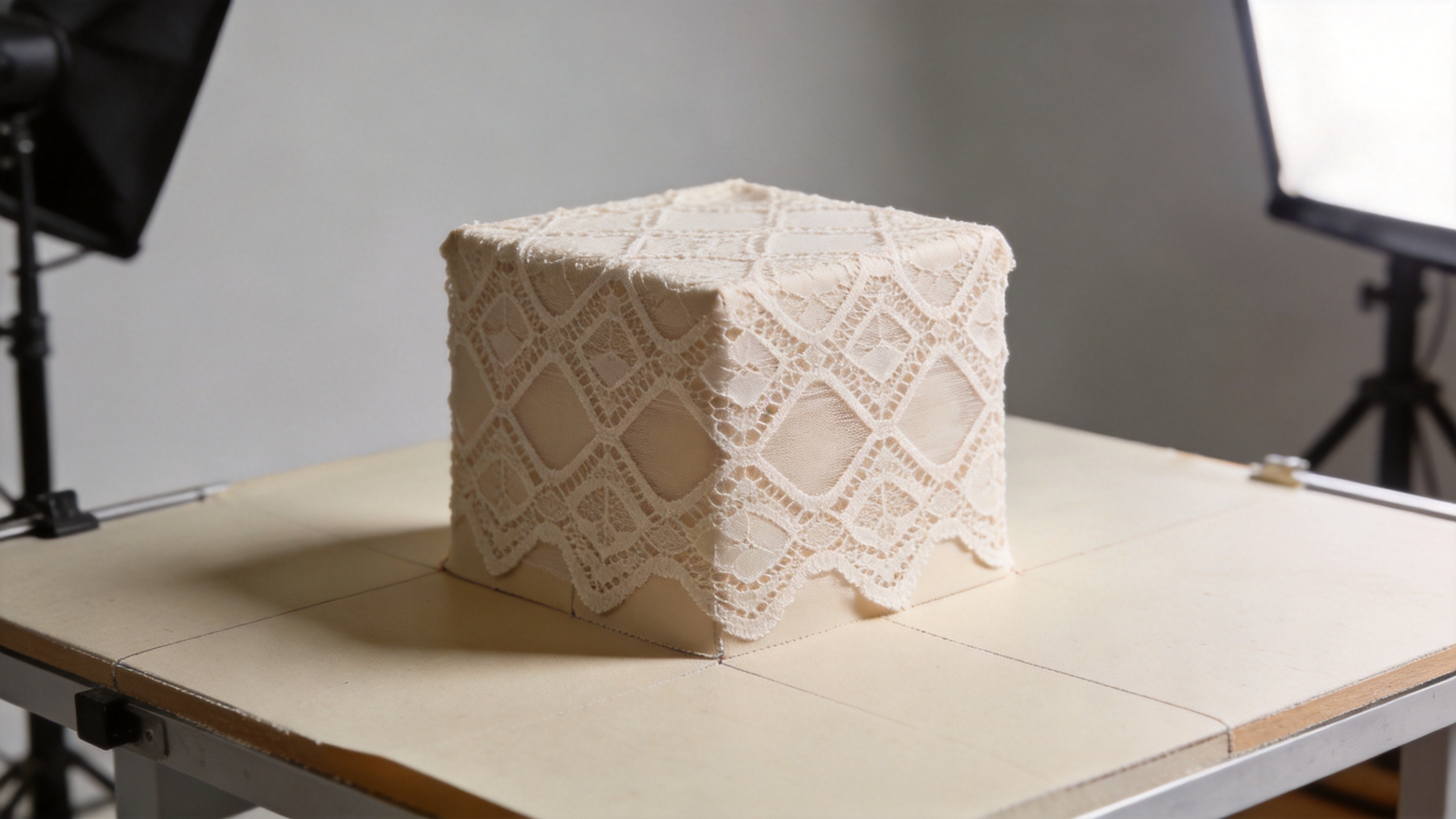
خيار منتج حالي قيد التطوير يمكن الرجوع إليه هو قماش شبكي مرن وصديق للجلد من النيلون والسpansedx المصنع مباشرة . ويشير اسمه إلى أن هيكله يتكوّن من دانتيل مطاطي هندسي من النايلون والسباندكس؛ ومع ذلك، لا بد من التأكد النهائي من مدى ملاءمته عبر مراجعة العيّنات، واختبار اتجاه المطاطية، وأخذ عيّنات من الملابس بدلًا من استنتاج ذلك من عنوان المنتج فقط.
وسّع استخدام الدانتيل المطاطي ليشمل مجالات أبعد من الملابس الداخلية
ينطبق نفس منطق التصميم على ملابس الموضة. ويمكن أن تُخفّف الدانتيل المطاطي من هيكل الفساتين الضيقة، أو تُنشئ طبقات علوية تبدو منفذةً للهواء، أو تضيف حركةً إلى ملابس الرقص، أو تمنح الملابس المسائية سطحًا أكثر بعدًا. كما أن نتائج البحث عن الدانتيل المطاطي تربط هذا المادة أيضًا بالحواف السفلية وملابس الموضة والتطبيقات التمثيلية، ما يعكس اتساع هذه الفئة.
عند استخدام الدانتيل المطاطي كطبقة علوية للفستان، فكّر في كيفية تكرار النمط عبر الخطوط الواصلة والتجويفات. وعند استخدامه في الكم، تحقّق مما إذا كان الدانتيل يتمتّع بمدى كافٍ من الاستعادة عند المرفق. أما عند استخدامه في الحافة السفلية أو في طرف الكم، ففكّر فيما إذا كان يمكن لحافة متموّجة أن تحلّ محلّ خطوة إنهاء منفصلة. وهذه التفاصيل تساعد في جعل المادة تبدو مُخطَّطةً بعنايةٍ بدلًا من إضافتها في المرحلة الأخيرة من التصميم.
يمكن أن تُوجِه التركيبة التوقعات، لكنها لا ينبغي أن تحلَّ محل الاختبار. فعلى سبيل المثال، وصفٌ سوقيٌّ لشريط مطاطي ممتد مصنوع من ٩٠٪ بوليستر و١٠٪ سباندكس؛ وقد تستخدم تركيبات أخرى أليافاً مختلفة أو أوزاناً مختلفة للغزل أو مكونات مطاطية مختلفة. ولذلك، ينبغي على فرق المشتريات طلب التركيبة الفعلية، والعَرْض، والوزن، ومدى المطاطية، ومعلومات اللون، وإرشادات العناية بالجودة المختارة.
قائمة مراجعة عملية لأخذ عيّنات الشريط المطاطي الممتد
- حدّد اتجاه المطاطية المقصود على العيّنة قبل وضع النموذج.
- قارن الشريط المطاطي مع كل طبقة سيتصل بها، بما في ذلك البطانة والمطاط والشبكة والملصقات.
- اختبر عيّنة صغيرة من الغرزة للتحقق من التجعّد وتجاوز الغرز واستقرار الحافة.
- امدد العيّنة مراراً وتكراراً، ثم فحّص محاذاة الزخارف وقدرتها على الاستعادة.
- راجع القطعة على نموذج قياس متحرك، وليس فقط على دمية عرض.
- أكد اللون وملمس السطح وحجم النمط وموضع التكرار قبل الموافقة على الإنتاج.
هذه الفحوصات مفيدة للعلامات التجارية للأزياء الخارجية، وشركات تصنيع الملابس، والتجار الجملة، وفرق التوريد، لأنها تحوِّل خيارات المواد الواسعة إلى معايير قابلة للملاحظة. كما تساعد في التمييز بين عينة دانتيل جذّابة وأخرى ستؤدي أداءً موثوقًا به في المنتج النهائي.
استخدم الدانتيل المطاطي كنظام تصميمي، وليس مجرد تزيين
يكون الدانتيل المطاطي أكثر فعالية عندما تُؤخذ سلوك المادة، وموضع النمط، وراحة المستخدم معًا في الاعتبار. وفي الملابس الداخلية، يعني ذلك استخدام المرونة والقدرة على الاسترداد لدعم التكيُّف مع الجسم مع الحفاظ على المناطق الزخرفية مريحة عند التلامس مع الجلد. أما في الملابس العامة، فيعني ذلك محاذاة النمط واتجاه القماش مع حركة القطعة.
ابدأ بالشكل المرغوب، ثم اختبر الدانتيل في المكان الذي سيُرتدى فيه فعليًّا. وبوجود معايير عيّنات واضحة وشريك قماشي قادر على دعم تقييم العيّنات، دانتيل مطاطي يصبح أداة تصميم مرنة للملابس الداخلية ومجموعات الأزياء بدلًا من أن يكون مجرد تشطيب زخرفي بحت.